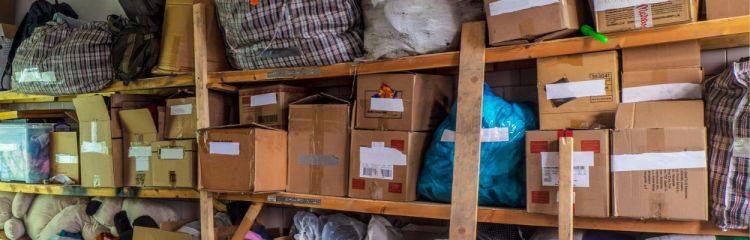
Basement Cleanout Guide: Heavy Items, Water Damage, and Disposal Rules
A basement cleanout is the process of sorting stored belongings, removing unwanted items, and clearing bulky or accumulated material from the lower level of a home. Depending on the property, the job may involve furniture, appliances, boxes, tools, old carpeting, exercise equipment, household clutter, and belongings affected by moisture or long-term storage.
Basements tend to collect items because they offer more storage space than many other parts of a home. Over time, that extra room can become crowded enough that utility areas are difficult to reach, walkways disappear, or items are stacked without a clear plan for eventually removing them.
Basement cleanouts can also involve challenges that are less common in other rooms. Heavy items may need to be carried upstairs, water damage may affect what can be kept or donated, and some materials may require separate disposal arrangements.
A practical cleanout starts by understanding the condition of the space and deciding what stays before heavy lifting begins.
At JUNKCO+, our basement cleanout services can help with approved unwanted items once you are ready for the lifting, loading, and hauling.
Need help clearing bulky or unwanted items from your basement?
Call JUNKCO+ to discuss the project, or find a JUNKCO+ location near you to get started:
Why basement cleanouts can be difficult
Basements often combine storage space with utilities, laundry equipment, mechanical systems, workshops, or finished living areas. That means a cleanout may need to work around furnaces, water heaters, electrical panels, plumbing, sump pumps, and other equipment that should remain accessible.
The removal route can also create problems. Heavy furniture or appliances may need to travel up a full flight of stairs, through narrow doors, around corners, or across finished areas of the home before reaching an exterior exit.
Moisture adds another consideration. A basement that has experienced a leak, flooding, high humidity, or poor ventilation may contain boxes and belongings that are no longer in good condition. Materials that look dry on the surface can sometimes show staining, odors, deterioration, or other signs that they were exposed to moisture.
Before treating the project as a normal household cleanout, take time to understand what is stored there and whether the basement has conditions that need attention first.
A practical basement cleanout process
Working through the basement in a clear order can keep the project from becoming a collection of new piles.
1. Inspect the basement before sorting
Start by checking the general condition of the space.
Look for standing water, active leaks, damaged flooring, loose stair treads, poor lighting, exposed wiring, pest activity, unstable shelving, or materials that appear significantly affected by moisture.
Make sure utility equipment and electrical panels remain accessible throughout the project.
If the basement contains active water intrusion, extensive contamination, major electrical concerns, or structural damage, the underlying problem may need to be evaluated by an appropriate professional before the cleanout continues.
2. Clear the stairs and removal route
Basement stairs become one of the most important parts of the project once items start moving.
Remove loose boxes, shoes, tools, and other tripping hazards from the stairs and nearby hallways. Check that lighting is adequate and doors can open completely.
If the removal path passes through a kitchen, finished room, or narrow hallway, move breakable objects and anything else that could interfere with carrying larger items.
Measure large furniture and appliances before trying to force them through a doorway or around a stairwell.
3. Work through one area at a time
A basement can feel harder to clean out when every category is handled at once.
Divide the space into manageable sections. You might start near the stairs and work toward the back, or separate the basement into storage, laundry, utility, workshop, and finished areas.
Complete most of the sorting in one section before opening boxes in the next.
This keeps walkways clearer and makes progress easier to see.
4. Sort belongings into clear categories
Use categories that lead to an actual decision:
Keep: Items that are still useful and appropriate to store.
Donate: Usable belongings that may meet a local organization’s acceptance requirements.
Remove: Broken, unwanted, damaged, or obsolete items that are ready to leave the property.
Review: Items that need another family member’s input or more time before a decision is made.
Try to keep the review group small. A basement cleanout can stall quickly when most of the contents are moved into a new “decide later” pile.
5. Separate water-damaged belongings
Do not mix visibly water-damaged belongings into the normal donation or storage piles.
Cardboard, upholstered furniture, carpeting, books, fabrics, and other absorbent materials can deteriorate after exposure to moisture. The condition of an item, the source of the water, and how long it remained wet can all affect what should happen next.
Items with significant staining, persistent odors, deterioration, or suspected contamination may require different handling than ordinary household clutter.
If you are dealing with sewage, extensive mold-like growth, or another potentially contaminated condition, avoid disturbing the affected materials until an appropriate remediation or cleanup professional has evaluated the area.
6. Identify heavy items before trying to move them
Basements commonly contain some of the heaviest belongings in a home.
Examples may include refrigerators, freezers, washers, dryers, exercise equipment, workbenches, sleeper sofas, filing cabinets, safes, shelving, and large pieces of furniture.
Consider more than the item’s weight. Its dimensions, the width of the staircase, overhead clearance, turns in the removal path, and the number of people available to control it all matter.
Do not attempt to move an item upstairs if it cannot be handled safely.
Our home cleanout services can be useful when the sorting is finished but the remaining project involves repeated lifting or difficult access.
7. Set aside items with disposal restrictions
A basement often becomes the storage area for products homeowners are unsure how to discard.
Paint, solvents, pesticides, fuel, propane cylinders, certain batteries, fluorescent bulbs, medical waste, and other potentially hazardous materials may be subject to local disposal requirements.
Do not place unknown liquids or chemicals into a general removal pile.
Electronics, appliances, and other materials may also have recycling or disposal requirements that vary by location.
Check local requirements and confirm what a removal provider accepts before the appointment rather than assuming every stored item can leave in the same load.
8. Remove unwanted items and reorganize what remains
Once sorting is complete, remove the items that are leaving before reorganizing the rest of the basement.
This gives you a more accurate picture of the storage space that remains.
Keep walkways, electrical panels, shutoff valves, mechanical equipment, and drainage areas accessible. Store frequently used belongings where they can be reached without moving
several other containers.
Clearly labeled containers can also make it easier to recognize what is already in the basement before buying or storing more.
How to handle heavy basement items
Large items should usually stay in place until smaller clutter has been cleared from around them.
Trying to move a refrigerator, sectional, treadmill, or heavy cabinet while boxes still line the walkway increases the difficulty of the job.
Before moving a bulky item, consider whether:
- It can fit through the basement door and stairway.
- Any doors, drawers, shelves, or removable components can be safely taken off first.
- The stairs and flooring can support the movement of the item.
- There are enough people to control the item from beginning to end.
- Moving it could damage walls, railings, flooring, or nearby utilities.
- Professional removal would be more practical than attempting it yourself.
Large appliances may also require additional preparation. Refrigerators or freezers, for example, should be emptied before removal, and equipment connected to plumbing, gas, or electrical systems may need to be properly disconnected before a hauling crew can move it.
Our junk removal services can help with many approved bulky household items, while specific services such as furniture removal and appliance removal may be relevant depending on what is stored downstairs.
What to do with belongings affected by water
Not every item exposed to basement moisture automatically needs to be discarded, but condition matters.
Hard, nonporous items may sometimes be easier to clean and evaluate than materials that absorb water. Cardboard boxes, books, mattresses, upholstered furniture, carpet, and other absorbent belongings can be more difficult to restore after significant exposure.
Start by identifying why the item became wet.
A small plumbing leak discovered quickly is different from belongings that sat in standing water or were exposed to contaminated water. The source and severity of the problem should influence how the area is approached.
Avoid making donation decisions based only on whether an item has dried. Donation organizations generally expect belongings to be clean, usable, and in acceptable condition, and individual requirements vary.
If the cleanout reveals an ongoing leak or moisture problem, address the source before reorganizing the basement. Otherwise, newly stored belongings may end up in the same conditions.
When professional basement cleanout help makes sense
Many homeowners can sort boxes and smaller belongings without assistance. The point where a basement cleanout becomes difficult is often the removal stage.
Professional help may make sense when the basement contains numerous heavy items, the staircase is narrow or steep, the amount of material exceeds what you can reasonably transport, or the property needs to be cleared for a move, renovation, sale, or other deadline.
It can also be useful when you have already made the personal decisions about what stays and simply need the unwanted material out of the house.
The distinction is important: you remain in control of what is removed. Our crew can take over the physical removal of approved items after you have identified what should go.
Once your basement is sorted
Call JUNKCO+ to discuss the items that need to be removed and whether our basement cleanout service is a good fit for the project.
Common basement cleanout mistakes to avoid
One common mistake is beginning with the heaviest object in the room. Large items are usually easier to remove after surrounding boxes, loose clutter, and obstacles are gone.
Another is creating oversized boxes. Books, tools, dishes, and other dense belongings can make even a medium-sized container unexpectedly heavy. Use smaller containers for heavier materials.
Do not block utility equipment with temporary sorting piles. Furnaces, water heaters, electrical panels, sump pumps, and shutoff valves may need to remain accessible even while the cleanout is underway.
It is also important not to treat every unwanted basement item the same way. Donation items, general household junk, electronics, appliances, chemicals, and materials affected by water may have different destinations.
Finally, avoid covering up a moisture problem by simply reorganizing the room. If the cleanout exposes an active leak or another property issue, address that problem before using the area for long-term storage again.
How to keep a basement organized after the cleanout
A clean basement is easier to maintain when storage has a defined purpose.
Group similar belongings together instead of filling whatever empty space is available. Seasonal decorations can stay together, tools can have a dedicated area, and household supplies can be stored where they are easy to inventory.
Keep belongings off important access routes and avoid allowing boxes to gradually move closer to utility equipment.
Review the basement periodically for empty packaging, broken items, duplicate household goods, and things that have not been used since the previous review.
If the basement repeatedly fills back up, consider setting a storage limit. Once a category exceeds the space assigned to it, review what is already there before adding more.
Frequently Asked Questions
Everything you need to know about JunkCo+ and our process.
Still have questions? Contact us today & we’ll get them answered for you!
FAQs about basement cleanouts
Call JUNKCO+ for help with your basement cleanout
Find your nearest JUNKCO+ location to start planning the removal