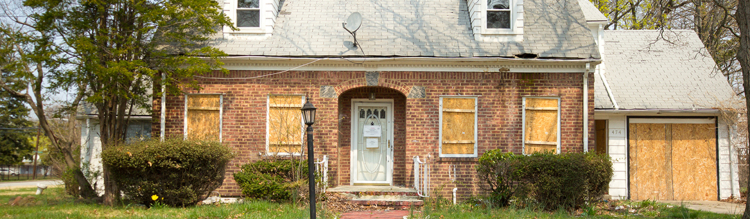
Foreclosure Cleanout Process: What Lenders, Realtors, and Investors Should Expect
A foreclosure cleanout is the process of removing leftover belongings, trash, furniture, appliances, and debris from a foreclosed property so it can move into repair, listing, or turnover mode.
For lenders, realtors, investors, and property managers, the goal is not just to empty the property. The goal is to make it easier to assess, safer to access, and faster to prepare for whatever comes next.
That is what makes foreclosure cleanouts different from a standard pickup. In many cases, a foreclosed home contains abandoned belongings, loose trash, bulky furniture, damaged materials, outdoor debris, and overflow in garages, basements, attics, or sheds. What looks straightforward at first can quickly become a much larger property transition project once the work begins.
Quick Answer: What Is a Foreclosure Cleanout?
A typical junk removal job usually starts with a homeowner deciding what they want gone. A foreclosure cleanout is different because the property is often already in transition by the time we arrive. Control may have shifted to a lender, investor, realtor, asset manager, or another third party. That means the cleanout is usually tied to a larger timeline and a larger set of decisions.
Because of that, the process needs to support three priorities at once: speed, visibility, and readiness.
Speed matters because a full property slows down everything that follows. Visibility matters because once debris and abandoned contents are removed, it becomes much easier to see the actual condition of the home. Readiness matters because the property often needs to move directly into repairs, deep cleaning, staging, or turnover.
That is why we treat foreclosure cleanouts as property-readiness work, not just junk pickup.
What a Foreclosure Cleanout Usually Includes
Every foreclosure property is different, but most cleanouts involve removing a mix of household contents, furniture, mattresses, appliances, trash, and general debris from inside and outside the home. Some jobs are relatively light and mainly involve clearing leftover items. Others include packed rooms, neglected yards, detached structures, heavy debris, or hard-to-access spaces like attics and basements.
In some cases, the property condition overlaps with jobs similar to our eviction cleanouts, where timing and full-property clearing matter just as much as removal volume. In others, the job may lead naturally into broader property clearing, site prep, or related demolition services if damaged structures or tear-out work are involved.
A complete foreclosure cleanout is not just about taking things away. It is about making the property usable again.
The Foreclosure Cleanout Process
1. We Confirm Access, Scope, and the Next Step
Before we begin loading anything, we first confirm who is authorizing the work, what parts of the property are included, and what the cleanout needs to accomplish.
Some clients want the home emptied so they can inspect the condition and price repairs. Others need the property cleared so cleaning crews, contractors, or listing teams can get to work. Some projects only cover the main interior, while others include garages, sheds, porches, and exterior debris.
Getting the scope right at the beginning helps set accurate expectations, reduce delays, and makes the job easier to complete efficiently.
2. We Assess the Property Condition
Next, we evaluate the actual condition of the site. That includes the volume of material, the type of debris, the layout of the property, and any access issues that may affect the cleanout.
For example, a lightly furnished single-story home is very different from a packed multi-level property with blocked entrances, damaged flooring, detached structures, or exterior dumping. This step helps us understand labor needs, truck volume, and the best way to approach the job.
Planning matters because a foreclosure cleanout works best when it is handled systematically instead of reactively.
3. We Sort the Work by Priority
Not everything on a foreclosure property needs to be handled the same way. Some material is clearly trash, and some may need to be handled according to client instructions before removal begins.
We sort the work into a clear sequence so the job stays organized from the beginning. That helps prevent confusion, supports a cleaner workflow, and reduces the chances of missed items or wasted time during the load-out.
4. We Clear the Property Room by Room
One of the most effective ways to handle a foreclosure cleanout is to move through the home systematically. Instead of removing items randomly, we usually work room by room so each space is fully cleared and easier to assess once it is open.
This approach does more than keep the cleanout organized. It also reveals the true condition of the property. Once a room is empty, it becomes easier to spot moisture issues, flooring damage, wall repairs, leftover debris, and cleanup needs that were not visible before.
That visibility can make the next phase of the project easier for everyone involved.
5. We Clear Exterior Debris Too
Foreclosure cleanouts often extend beyond the inside of the home. Yards, garages, porches, sheds, side areas, and fence lines may also contain debris that affects curb appeal, safety, access, and property readiness.
A property is not really ready for the next step if the interior is empty but the outside still looks neglected or blocked. That is why we look at the full property, not just the rooms inside it.
If structural tear-out, damaged decking, sheds, or other built elements are part of the bigger cleanup picture, those needs may connect with our demolition services as the project moves forward.
6. We Leave the Property Ready for What Comes Next
The goal of a foreclosure cleanout is not perfection. The goal is readiness.
Once the contents, trash, and debris are removed, the property should be in a much better position for inspection, repairs, cleaning, staging, listing, or renovation. That is where a structured cleanout creates real value. It helps create a smoother handoff from one phase to the next.
At JUNKCO+, that is how we approach foreclosure cleanouts. We understand that the cleanout is usually one step in a larger process, and our role is to help keep that process moving.
Need help with a foreclosure property now?
Call JUNKCO+ or find a JUNKCO+ location near you for fast service.
What Affects the Size and Timing of a Foreclosure Cleanout?
No two foreclosure cleanouts are exactly alike. Even homes that look similar from the outside can require very different amounts of labor once the work begins.
The biggest factors usually include the amount of material on site, the type of debris, the layout of the property, and the ease of access. A moderately cluttered single-story property may move much faster than a heavily packed home with multiple levels, outdoor debris, detached structures, or difficult access points.
Timing can also depend on what happens after the cleanout. Some properties need to move immediately into contractor work or listing prep. Others are still in the assessment stage and may depend on internal approvals before the next step begins.
That is why it helps to think about foreclosure cleanouts in terms of readiness rather than just volume of junk. The key question is not only how much needs to be removed. It is what needs to happen so the property can move forward.
What to Look for in a Foreclosure Cleanout Company
If you are hiring a foreclosure cleanout provider, it helps to look beyond basic hauling. You want a team that understands the cleanout is part of a larger property transition.
That means looking for a company that can handle full-property clearing, bulky item removal, and time-sensitive jobs with a process that supports coordination. Open communication, reliability, and a clear understanding of turnover work can all help keep this process moving.
We recommend looking for a provider that can support the broader scope of the property when needed, whether that involves home cleanout services, foreclosure cleanouts, related removal work, or adjacent services tied to the next stage of the project.
What Is the Difference Between a Foreclosure Cleanout and Standard Junk Removal?
A foreclosure cleanout can involve the same physical work as a standard junk removal job, but the purpose is different.
Standard junk removal is often about convenience. Someone wants unwanted items gone. A foreclosure cleanout is about property transition. The work needs to support inspection, repair planning, cleanup, listing prep, or turnover.
That difference matters because the measure of success is different too. Rather than being determined by a truck full of unwanted junk, the success of a job is often determined by whether the property is now easier to access, evaluate, and move forward.
A Simple Foreclosure Cleanout Checklist
If you are preparing to schedule a foreclosure cleanout, this is a practical place to start:
- Confirm who is authorizing the work.
- Identify which parts of the property need to be cleared.
- Decide whether garages, sheds, and exterior debris are included.
- Clarify what happens after the cleanout, such as repairs or listing prep.
- Make sure the property is accessible so the job can move forward without delays.
When those details are clear at the beginning, the cleanout usually goes more smoothly and the property gets back on track faster.
Frequently Asked Questions
Everything you need to know about JunkCo+ and our process.
Still have questions? Contact us today & we’ll get them answered for you!
FAQ
Need Help With a Foreclosure Cleanout?
If you need to clear out a foreclosed property and move it closer to repair, cleanup, or resale, JUNKCO+ can help. Our team handles foreclosure cleanouts, broader home cleanout services, and related property clearing work designed to keep projects moving.
Need help with a foreclosure property now?
Call JUNKCO+ or find a JUNKCO+ location near you to get started.