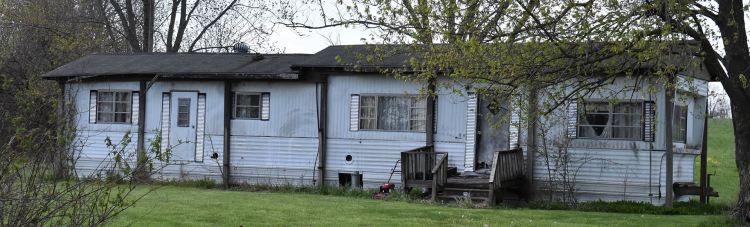
Mobile Home Demolition Cost: 7 Factors That Can Change the Final Price
Mobile home demolition cost depends on many factors, including the size of the structure, site access, debris volume, utility status, local disposal requirements, and how much cleanup is needed after the teardown.
For many property owners, the biggest question is simple: how much will it cost to demolish and remove an old mobile home? The honest answer is that pricing changes from one job to the next. A small single-wide with clear access is a very different project than a deteriorating double-wide surrounded by trees, debris, or difficult terrain.
At JUNKCO+, we handle mobile home demolition and removal as part of our broader demolition services work. We help property owners tear down unwanted structures, haul away debris, and clear the area for the next step.
Need help removing an old mobile home?
Call JUNKCO+ or find a JUNKCO+ location near you to talk through the structure, access, debris, and cleanup needs.
1. Size of the Mobile Home
Size is usually one of the biggest cost drivers.
A larger mobile home means more material to tear down, load, haul away, and dispose of. A single-wide mobile home typically creates less debris than a double-wide or multi-section structure. The longer and wider the home, the more labor, equipment, hauling capacity, and disposal planning the job may require.
When requesting an estimate, it helps to know:
- Whether the home is single-wide, double-wide, or larger
- Approximate length and width
- Whether additions, porches, decks, ramps, or attached structures need removal too
- Whether interior contents are still inside
Even if the home looks simple from the outside, leftover furniture, appliances, flooring, insulation, roofing, skirting, and framing can all add to the total debris volume.
2. Condition of the Structure
The condition of the mobile home can change the scope of work.
A vacant mobile home that is still structurally stable may be easier to evaluate and dismantle than one that is collapsing, fire-damaged, storm-damaged, moldy, or unsafe to enter. Poor condition can affect how crews approach the job and what precautions are needed on-site.
Common condition-related issues include sagging floors, collapsed roofing, water damage, rotting framing, broken glass, exposed nails or sharp metal, abandoned contents, pest activity, and unsafe entry points.
A damaged structure may require a more careful demolition plan, especially if the property owner wants the surrounding area protected during removal. If the mobile home is part of a broader property cleanup, home cleanout services may also be helpful.
3. Access to the Property
Easy access can help keep a demolition project more efficient. Limited access can do the opposite.
Mobile home demolition often requires room for trucks, trailers, dumpsters, or equipment. If the structure sits close to trees, fences, neighboring buildings, slopes, soft ground, or narrow driveways, the crew may need more time and a different removal approach.
Access factors that may affect pricing include narrow roads or driveways, low-hanging trees, limited loading space, long carrying distance, soft or uneven ground, restricted gates, and nearby sheds, decks, vehicles, or other obstacles.
The more efficiently debris can be moved from the structure to the hauling vehicle, the smoother the project usually goes.
4. Debris Hauling and Disposal Volume
Demolition is only part of the job. The debris has to go somewhere.
Mobile homes can include wood, metal, siding, roofing, insulation, flooring, fixtures, cabinetry, glass, and general trash. If contents were left behind, the job may also include furniture, mattresses, appliances, boxes, household junk, and other debris.
The amount of hauling and disposal required can affect the final cost because it involves labor to load materials, truck or trailer capacity, number of loads required, disposal facility fees, sorting requirements, and recycling or donation opportunities when available.
A mobile home that still contains abandoned belongings can cost more to clear than an empty structure because the crew is handling both a cleanout and demolition job. If there is junk inside or around the structure, junk removal services may be part of the overall scope.
5. Utility Disconnection and Site Readiness
Before demolition begins, utilities need to be handled safely.
Property owners should confirm that utilities have been properly disconnected before the teardown. This can include electric, gas, water, sewer, propane, or other service lines depending on the property. Requirements can vary by location and utility provider.
Site readiness may also include confirming ownership or authorization, removing vehicles or obstacles, clearing personal items, identifying septic, well, or underground utility areas, checking whether permits or approvals are required, and notifying property managers, neighbors, or park management when applicable.
JUNKCO+ can help with the removal work, but property owners should verify utility and permit requirements before the job begins.
6. Permits, Local Requirements, and Disposal Rules
Mobile home demolition may be subject to local rules.
Some municipalities, counties, mobile home parks, or property associations may require permits, approvals, inspections, or specific disposal steps before demolition can happen. Requirements may also depend on the structure’s age, location, utility setup, and whether the home is considered abandoned or condemned.
Before booking, check whether the project requires demolition permits, park or property management approval, utility shutoff confirmation, environmental or disposal documentation, special handling for certain materials, or inspection before or after removal.
Because rules vary by area, it is better to confirm early than delay the project after crews arrive. If you are comparing this project with other teardown needs, the main demolition services page is a useful place to understand how JUNKCO+ handles structure removal work.
7. Final Cleanup and Site Restoration
The level of cleanup after demolition can also affect cost.
Some property owners only need the structure removed and hauled away. Others want the lot cleared, loose debris picked up, skirting removed, steps hauled away, and the area left ready for sale, renovation, landscaping, or future use.
Cleanup needs may include removing loose debris, hauling away attached decks, ramps, or stairs, clearing leftover junk around the home, removing exterior clutter, sweeping or raking the immediate area, separating recyclable material when practical, and preparing the lot for the next contractor or project phase.
The more complete the cleanup, the more time and hauling the project may require.
Mobile Home Demolition Cost Factors at a Glance
| Cost factor | Why it matters |
|---|---|
| Size of the home | Larger structures create more debris and require more labor. |
| Condition | Unsafe, damaged, or collapsing homes may require extra care. |
| Site access | Tight or difficult access can slow loading and hauling. |
| Contents inside | Leftover junk turns the project into both a cleanout and demolition. |
| Hauling volume | More debris can mean more truck space, labor, and disposal costs. |
| Utility status | Utilities should be disconnected before demolition begins. |
| Final cleanup | A basic teardown costs differently than a full lot cleanup. |
Want a clearer mobile home demolition estimate?
Share the structure size, photos, access details, and cleanup needs with your local JUNKCO+ team.
Mobile Home Removal vs. Mobile Home Demolition
Mobile home removal and mobile home demolition are often used together, but they can mean different things.
Mobile home removal may refer broadly to getting the structure off the property. In some cases, that could mean transporting a salvageable home. In many cases, especially with older or damaged homes, removal means demolishing the structure and hauling away the debris.
Mobile home demolition usually means tearing down the structure on-site, loading the debris, and hauling it away for disposal, recycling, or processing where available.
For older, unsafe, storm-damaged, or unwanted mobile homes, demolition is often the more practical route. Learn more about mobile home demolition and removal if you are comparing teardown options.
When Should You Hire a Mobile Home Demolition Company?
Professional mobile home demolition makes sense when the structure is too large, unsafe, or debris-heavy to handle without help.
Hiring a removal team is especially useful when the home is old, damaged, or unstable; you need the structure gone quickly; there is too much debris for DIY hauling; the site has access challenges; you need cleanout and demolition together; or you are preparing a property for sale, redevelopment, or turnover.
A professional crew can help simplify the process and reduce the amount of heavy lifting, sorting, and disposal coordination placed on the property owner.
For inherited properties, estate cleanout services may also be helpful before demolition begins. For distressed or lender-owned properties, foreclosure cleanout services can support the broader property cleanup process.
How to Prepare for a Mobile Home Demolition Estimate
Before requesting a quote, gather as much information as possible about the structure and site.
- Address or property location
- Single-wide or double-wide
- Approximate size
- Photos of all sides of the home
- Photos of access points
- Whether contents are still inside
- Whether decks, ramps, stairs, sheds, or skirting need removal
- Whether utilities are disconnected
- Any known permit or property management requirements
- Desired level of cleanup after demolition
Photos are especially helpful because they show the condition, access, debris, and surrounding obstacles before the crew arrives.
Frequently Asked Questions
Everything you need to know about JunkCo+ and our process.
Still have questions? Contact us today & we’ll get them answered for you!
FAQ
Why Choose JUNKCO+ for Mobile Home Demolition and Removal?
JUNKCO+ helps property owners remove unwanted structures, clear debris, and move projects forward with less hassle. For mobile home demolition, the right team matters because the job usually involves more than tearing down walls. It can include cleanout work, heavy debris removal, hauling, disposal coordination, and final cleanup.
Whether you are clearing an old mobile home from private land, preparing a property for sale, or handling a larger cleanup project, JUNKCO+ can help evaluate the scope and recommend the right next step.
Call JUNKCO+ today or find your nearest JUNKCO+ location to get started.