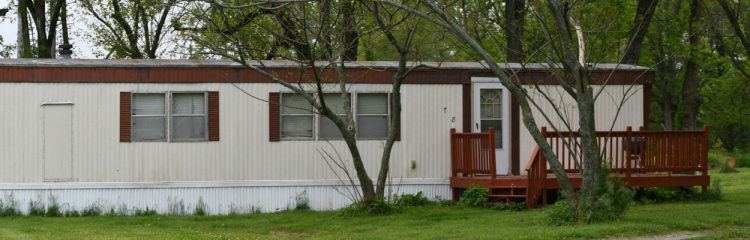
Mobile Home Removal vs. Demolition: Which Option Makes More Sense?
Mobile home removal is the process of taking an unwanted manufactured or mobile home off a property. Depending on the condition of the structure, removal may involve transporting the home to another location or demolishing it on-site and hauling away the debris.
Mobile home demolition is more specific. It involves breaking down the structure rather than relocating it intact, followed by removing the resulting materials from the property.
Although the terms are often used interchangeably, the difference matters when deciding what to do with an aging, damaged, or unwanted mobile home.
A home that is still structurally sound may be a candidate for relocation. One with serious deterioration, extensive damage, or limited resale value may be better suited for demolition.
The right approach depends on the home’s condition, property access, transportation requirements, local regulations, and the total cost of completing the project.
At JUNKCO+, our mobile home demolition and removal services focus on tearing down unwanted mobile homes and hauling away the resulting debris.
Need to remove an old mobile home from your property?
Call JUNKCO+ to discuss the structure and project requirements.
What’s the difference between mobile home removal and demolition?
The primary difference is whether the mobile home remains intact or is taken apart.
Mobile home removal is a broad term that describes getting a structure off the property. It may refer to relocating an existing home or completely removing one through demolition and debris hauling.
Mobile home demolition involves dismantling or tearing down the structure at its current location. The resulting materials are then loaded, transported, and directed to appropriate disposal or recycling facilities where available.
Both approaches can leave a property without the original mobile home, but they involve different equipment, preparation, and logistical requirements.
| Factor | Relocating a mobile home | Demolishing a mobile home |
|---|---|---|
| Primary goal | Preserve and transport the structure | Remove the structure permanently |
| Home condition | Generally requires a home suitable for transport | Often appropriate for damaged or deteriorated homes |
| Equipment | Specialized moving and transportation equipment | Demolition, loading, and hauling equipment |
| Property access | Requires a suitable exit route for the structure | Requires safe access for demolition and debris removal |
| Main considerations | Transport permits, home preparation, route restrictions, and destination | Demolition permits, utility disconnections, material handling, and debris disposal |
| Final result | Home is relocated to another approved site | Home is dismantled and debris is removed |
Neither option is automatically less expensive or easier. The condition of the home and the requirements of the specific property can change the amount of work involved.
When relocating a mobile home may make sense
Relocation may be worth considering when the mobile home is in usable condition and has enough remaining value to justify the cost of moving it.
For example, a property owner may want to sell a manufactured home separately from the land, transfer it to another property, or preserve a home that can continue serving as a residence.
However, a mobile home being physically movable does not necessarily mean relocation is practical.
The structure needs to be evaluated for transport, and there must be a suitable destination where it can legally be placed.
The home’s condition matters
Manufactured homes are not always designed to withstand repeated relocation, especially after years of use, modifications, or deterioration.
Damaged flooring, weakened framing, roof problems, water intrusion, and other structural concerns may affect whether a home can be transported safely.
Additions, attached decks, porches, and other modifications may also need to be addressed before a move.
A qualified manufactured home moving company should evaluate the structure before relocation is treated as a realistic option.
Transportation can be complicated
Moving a mobile home requires more than attaching it to a truck.
The project may involve preparing the structure for transport, obtaining permits, evaluating roads and bridges, arranging an approved route, and coordinating utility disconnections.
Older homes may also face restrictions related to their age, construction, or condition. Some destinations have placement requirements that prevent certain manufactured homes from being installed there.
Before choosing relocation, confirm that the home can be moved and that the receiving property can legally accommodate it.
When mobile home demolition may be the better option
Demolition often makes more sense when the structure is no longer suitable for use or when the cost and complexity of relocation outweigh the home’s remaining value.
An abandoned mobile home, for example, may have significant damage that makes transportation impractical. A property owner may also need to clear a lot for a replacement home, a sale, or another permitted use.
In these situations, preserving the existing structure may offer little practical benefit.
The structure has extensive damage
Water damage, fire damage, storm exposure, deteriorated framing, and long-term neglect can make a mobile home difficult or unsafe to relocate.
Some structures may have weakened floors, damaged roofing, broken windows, unstable additions, or other conditions that complicate moving them intact.
Demolition allows the structure to be broken down at its existing location rather than transported as a complete unit.
The condition of the building still matters. Severely damaged structures may require additional precautions, specialized evaluation, or different demolition methods.
The home is no longer needed
Sometimes the reason for removal is straightforward.
The property owner may be replacing the existing mobile home, preparing to sell the land, or clearing an unused structure that has been sitting vacant.
If there is no practical reason to preserve the home, demolition may provide a more direct path toward clearing the property.
The final scope should still be defined carefully. Removing the structure itself is different from removing every associated feature, such as concrete pads, piers, utility connections, steps, skirting, sheds, or other improvements.
Relocation is not economically practical
A mobile home may have limited resale value even when parts of it remain usable.
Transportation preparation, permits, specialized equipment, destination requirements, and potential repairs can add up.
If the total cost of relocation is greater than the value of preserving the structure, demolition may be the more reasonable choice.
Our broader demolition services include projects where property owners need unwanted structures removed rather than transported elsewhere.
A practical way to decide between removal and demolition
Before arranging either service, work through the basic requirements of the project.
1. Identify the goal for the property
Start by deciding what needs to happen after the mobile home is gone.
Are you trying to relocate and reuse the home, sell the home separately, prepare the property for a replacement structure, or clear the land entirely?
The intended outcome helps determine whether preserving the mobile home has any practical value.
2. Evaluate the condition of the home
Look at the general condition of the roof, walls, flooring, framing, and exterior.
Take note of visible water damage, sagging sections, major repairs, fire damage, unstable additions, and other concerns.
Do not enter a structure that appears unsafe.
If relocation is being considered, arrange for an appropriate professional to evaluate whether the home can withstand transportation.
3. Review access to the property
Consider the available space around the home.
Narrow driveways, nearby structures, fences, trees, overhead utility lines, uneven terrain, and limited turning room may affect either option.
A mobile home that cannot be transported through an available exit route may not be a realistic relocation candidate.
Demolition equipment and debris-hauling vehicles also need safe access, although their space requirements differ from those of a complete mobile home.
4. Check permits and utility requirements
Contact the appropriate local authority to understand the requirements for moving or demolishing the home.
Permit requirements can depend on the property, jurisdiction, structure, and type of work.
Utilities such as electricity, gas, water, and sewer may need to be professionally disconnected or secured before work begins.
Do not assume a vacant mobile home has already been disconnected from every service.
5. Compare the full project costs
A meaningful comparison should include more than the initial price of either service.
For relocation, consider preparation, transportation, permits, destination requirements, and setup costs.
For demolition, consider permits, required inspections or material assessments, equipment, labor, debris hauling, disposal, and the level of site cleanup requested.
For a closer look at demolition pricing, our guide to mobile home demolition costs explains the factors that can change the final estimate.
6. Confirm what happens after removal
Ask what condition the property will be left in when the work is complete.
Will the project include only the mobile home, or are attached steps, decks, skirting, supports, foundations, and other materials included?
Will the lot require grading or additional work before a new structure can be placed there?
Understanding the final scope helps prevent surprises after the main structure has been removed.
What affects the cost of mobile home removal or demolition?
The cost of removing a mobile home depends on how the structure will be removed and the conditions surrounding the project.
Relocating a home involves transportation-related expenses that are not part of a typical on-site demolition.
Demolition involves breaking down the structure and managing the resulting materials.
Several factors can significantly affect the cost of either approach.
Size of the mobile home
A single-wide mobile home generally presents a different scope than a double-wide or larger manufactured home.
Larger structures require more preparation and equipment to relocate.
For demolition, additional square footage typically means more material to dismantle, load, transport, and dispose of.
Attached additions can increase the amount of work beyond the dimensions of the original home.
Structural condition
A home in good condition may be more practical to relocate than one with substantial deterioration.
However, damage does not always make demolition simple.
A partially collapsed mobile home may create additional safety concerns. Fire-damaged, water-damaged, or otherwise unstable structures may require a different approach from one that remains structurally sound.
Site access
Clear access can simplify equipment movement and debris hauling.
Difficult terrain, limited space, nearby buildings, overhead obstructions, and long distances between the structure and loading area may increase labor and equipment requirements.
For relocation, access also affects whether the home can physically leave the property intact.
Interior contents and attached structures
An abandoned mobile home may still contain furniture, appliances, carpeting, cabinets, personal belongings, and general clutter.
Those materials can affect the volume of debris and the preparation required before demolition.
Decks, porches, awnings, sheds, and other connected structures can also change the scope.
Depending on the project, our home cleanout services may be relevant when unwanted household contents need to be addressed separately from the structure itself.
Disposal requirements and final cleanup
Demolition produces a mixture of materials that may include wood, metal, insulation, roofing, siding, flooring, and other construction debris.
Local disposal requirements, transportation distances, material separation, and potential recycling options can affect the final cost.
The work requested after demolition also matters.
Removing visible structural debris is not necessarily the same as removing foundations, grading the lot, or preparing a site for new construction.
Considering demolition for an unwanted mobile home?
Call JUNKCO+ to discuss the size, condition, access, and debris removal needs of your project.
What needs to happen before mobile home demolition?
Mobile home demolition requires preparation beyond simply arranging for the structure to be torn down.
One of the first considerations is confirming ownership and legal authority to remove the home. Manufactured homes may have separate titles or ownership records, and properties in mobile home parks may have additional rules or approval requirements.
Local permits and any required notifications or inspections should also be addressed before demolition begins.
Utility connections need particular attention. Electrical service, gas lines, water connections, sewer systems, and other infrastructure must be properly handled by qualified providers where required.
Older structures may contain materials that need evaluation before demolition, including suspected asbestos-containing materials or other regulated substances.
Do not disturb potentially hazardous building materials without appropriate assessment. Specialized inspection, abatement, or disposal services may be required depending on the findings and applicable regulations.
Personal belongings, important documents, and valuables should also be removed or clearly identified before work starts.
If the property contains fuel containers, chemicals, pressurized cylinders, or other hazardous materials, those items may require separate handling rather than being included with normal demolition debris.
The overall goal is to establish a safe, lawful, and clearly defined project before equipment arrives.
What happens to the materials after a mobile home is demolished?
Once a mobile home has been demolished, the resulting debris needs to be collected and transported away from the property.
The material can include framing, siding, roofing, flooring, insulation, fixtures, and other structural components.
Some materials, particularly certain metals, may be suitable for recycling where facilities and local requirements allow.
Other materials may need to go to approved disposal facilities.
The condition and composition of the debris influence how it should be handled. Material affected by contamination or subject to specific disposal restrictions may require a separate process.
It is important not to assume that an entire mobile home can be recycled or that all demolition debris can be placed into the same disposal stream.
At JUNKCO+, our mobile home demolition and removal services include breaking down unwanted structures and hauling away demolition debris, with the exact project scope and material handling requirements confirmed for the job.
Common mistakes when choosing between removal and demolition
One common mistake is assuming that moving a mobile home will automatically cost less than demolishing it.
Transportation can involve substantial preparation and additional costs, especially if the home needs repairs or the destination requires site work.
Another mistake is treating every old mobile home as suitable for relocation. Age, deterioration, modifications, and structural damage may affect whether transportation is practical or permitted.
Property owners may also overlook the difference between removing the home and clearing the entire lot.
Even after demolition, the site may contain supports, foundations, utilities, concrete, landscaping obstacles, or other materials that are outside the original project scope.
Failing to verify permits and utility disconnections can also create problems. The fact that a mobile home is vacant does not eliminate the need to address local requirements or potential hazards.
Finally, avoid selecting a contractor based only on an initial price without understanding what is included.
A useful estimate should make the work, debris removal, site access considerations, and exclusions reasonably clear.
Frequently Asked Questions
Everything you need to know about JunkCo+ and our process.
Still have questions? Contact us today & we’ll get them answered for you!
FAQs about mobile home removal and demolition
Choosing between mobile home relocation and demolition comes down to the condition of the structure, the purpose of the project, and what each option requires.
A mobile home that remains usable and can be legally transported may be worth relocating. A structure that is badly deteriorated, no longer needed, or impractical to move may be better suited for demolition.
Before making a decision, evaluate the home’s condition, review property access, understand local requirements, and compare the total scope of work.
When demolition is the appropriate choice, the next step is arranging for the structure to be taken down and the resulting materials removed.
Call JUNKCO+ to discuss your mobile home demolition and removal project
Find your nearest JUNKCO+ location to get started